
Cicada Cellars Red Wine Guide
Wine enthusiasts seeking authentic expressions of terroir often turn to small producers who prioritize quality over quantity. This philosophy is exemplified by Cicada Cellars, which crafts distinctive wines showcasing both winemaking expertise and a deep connection to the land. Educating consumers about types of red wine, their flavor profiles, and health considerations empowers informed choices. This guide explores red wine through the lens of artisanal production, discussing everything from sweet variations to calorie content and the journey from vine to glass.
The Story of Cicada Cellars and Cicada Wine
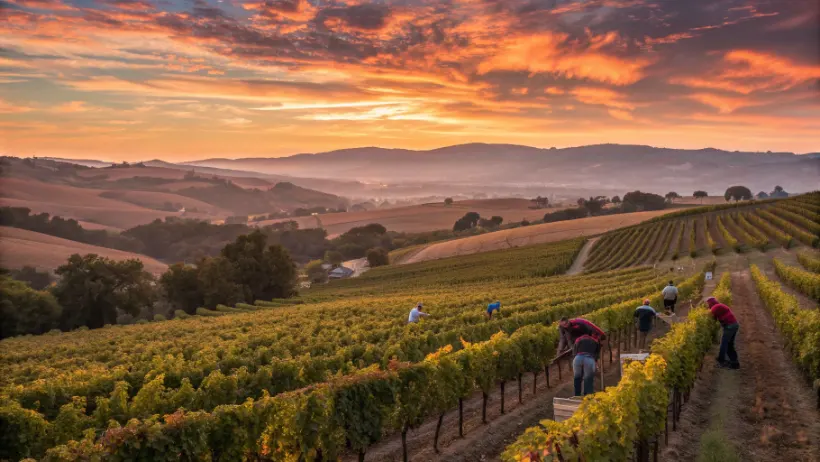
The name "Cicada Cellars" evokes warm summer afternoons in the vineyard, where these insects create their distinctive chorus as the grapes ripen. Founded by winemakers dedicated to showcasing California's Central Coast potential, the winery is built on small-lot production and varietal expression. As a symbol in winemaking, the cicada emerges from the ground after years underground, much like wine develops complexity through aging.
The Small-Batch Philosophy
Small-batch fermentation allows meticulous attention at every stage. Winemakers can closely monitor fermentation temperatures, adjust acidity levels based on daily tastings, and make decisions impossible with large-scale production. This approach creates wines expressing the unique characteristics of each varietal rather than pursuing uniformity from vintage to vintage. Every bottle tells a story about the growing season, weather patterns, and choices made during harvest and aging.
Viognier Wine and Portfolio Diversity
While red wines command much attention, viognier wine represents an important white varietal for many California winemakers. This aromatic grape produces full-bodied white wines with stone fruit and honeysuckle notes. Understanding how a winery approaches both red and white wines reveals their overall philosophy. Often, winemakers excelling at delicate whites also demonstrate precision with red wines, balancing fruit expression with structural elements like acidity and tannins.
Types of Red Wine from Cicada Cellars
Red wine encompasses numerous grape varieties, each with distinctive characteristics influenced by climate, soil, and winemaking techniques. From light-bodied Pinot Noir to powerful Cabernet Sauvignon, understanding these differences enhances appreciation and pairing possibilities. California's diverse microclimates enable winemakers to experiment with many varieties, sometimes blending them to create innovative wines. For those seeking the best red wine from California's Central Coast, Cicada Cellars offers carefully curated selections that showcase exceptional terroir.
Traditional Red Wine Types and Their Characteristics
| Varietal | Body | Tannin Level | Flavors |
|---|---|---|---|
| Pinot Noir | Light to Medium | Low to Medium | Cherry, raspberry, earth, mushroom, chocolate |
| Merlot | Medium to Full | Medium | Plum, blackberry, chocolate, vanilla |
| Cabernet Sauvignon | Full | High | Blackcurrant, cedar, tobacco, graphite |
| Syrah | Full | Medium to High | Blackberry, pepper, smoke, olive |
| Zinfandel | Full | Medium to High | Jammy fruit, spice, leather |
Oak aging affects each varietal differently. Some develop pronounced vanilla and toasty notes, while others maintain more fruit-forward character. The wine's inherent characteristics guide winemakers in selecting barrel type, toast level, and aging duration. These decisions significantly impact the final product's flavor profile and aging potential.
Blends and Regional Expressions
Beyond single-varietal wines, red wine blends offer complexity by combining complementary characteristics from different grapes. Bordeaux-style blends typically feature Cabernet Sauvignon, Merlot, and Cabernet Franc, while Rhône-style wine red incorporates Grenache, Syrah, and Mourvèdre. The Central Coast climate suits both approaches, giving winemakers flexibility in their blending strategies. Skillful blending can elevate good wines into exceptional ones by achieving optimal balance between fruit, structure, and complexity.
Sweet Red Wine and Sparkling Red Wine Profiles
While dry red wines dominate serious wine discussions, sweet red wine and sparkling red wine occupy important market niches. These styles require different production approaches and appeal to distinct consumer preferences. Understanding their characteristics helps clarify quality perceptions—sweetness doesn't automatically indicate inferior wine.
Understanding Sweet Red Wines
Sweetness in sweet red wine is achieved through several methods. Some winemakers halt the fermentation process early to retain natural grape sugars. Others use late-harvested grapes, concentrating the flavors. Port-style wines employ fortification—adding neutral spirits to stop fermentation while preserving sweetness. These wines can be served as dessert wines or paired with sweet courses. Proper balance between sweetness and acidity determines whether a wine tastes cloying or refreshing.
Sparkling Red Wine Production and Characteristics
- Lambrusco: The most famous traditional sparkling red wine comes from Italy, offering vibrant berry flavors ranging from dry to sweet.
- Australian Sparkling Shiraz: Features full body and intensity, often displaying dark fruit and chocolate notes.
- Brachetto d'Acqui: Characterized by gentle bubbles and moderate sweetness, with strawberry and rose petal aromatics.
Sparkling wine production utilizes either the Charmat method or traditional méthode champenoise, each affecting bubble quality and flavor development. Serving temperature matters significantly—too warm and the wine loses refreshing qualities; too cold and flavors become muted. The bubbles complement diverse foods, from charcuterie boards to grilled dishes, cutting through rich, fatty preparations.
Depending on grape varieties and skin contact duration during production, sparkling wine red ranges from light ruby to deep garnet hues.
Calories in Red Wine: Understanding Your Pour
Health-conscious consumers frequently ask about how many calories in a glass of red wine to balance enjoyment with nutritional awareness. Caloric content depends primarily on alcohol percentage and residual sugar. Most dry red wines contain similar calories per serving. Understanding these figures helps with meal planning without sacrificing the pleasure of well-crafted wine.
Red Wine Calories Breakdown
| Wine Type | Alcohol % | Calories Per 5oz | Residual Sugar |
|---|---|---|---|
| Light Red (Pinot Noir) | 12–13% | 115–120 | 0–1g |
| Medium Red (Merlot) | 12–13% | 120–125 | 0–1g |
| Full Red (Cabernet) | 13.5–15% | 125–140 | 0–2g |
| Zinfandel | 13–14% | 125–130 | 0–2g |
| Sweet/Dessert Red | 10–14% | 140–175 | 10–30g |
Knowing the alcohol percentage makes estimating calories in red wine straightforward. A gram of alcohol contains nearly as many calories as a gram of fat. A five-ounce serving of 14% alcohol wine contains approximately 14 grams of alcohol, accounting for roughly 98 calories from alcohol alone. Additional calories come from residual sugars and glycerol, a fermentation byproduct that gives wine body and subtle sweetness.
"Understanding wine calories isn't about restriction; it's about informed enjoyment. A moderate serving of quality red wine fits easily into most healthy diets while providing antioxidants and enhancing the dining experience."
— Nutrition and Wine Research Journal
Red Wine Vinegar in Culinary Applications
Any comprehensive discussion of red wine varieties should mention red wine vinegar. This kitchen staple is created by allowing wine to undergo acetic fermentation, retaining some characteristics of its source wine. Quality red wine vinegar made from good wine offers deeper, more complex flavors than inexpensive versions. It adds acidity and depth to vinaigrettes, marinades, and sauces prepared by home cooks. Under proper conditions, bacteria transform wine into vinegar, demonstrating wine's potential for transformation even after bottling.
Enjoying Cicada Cellars Red Wine: From Vineyard to Glass
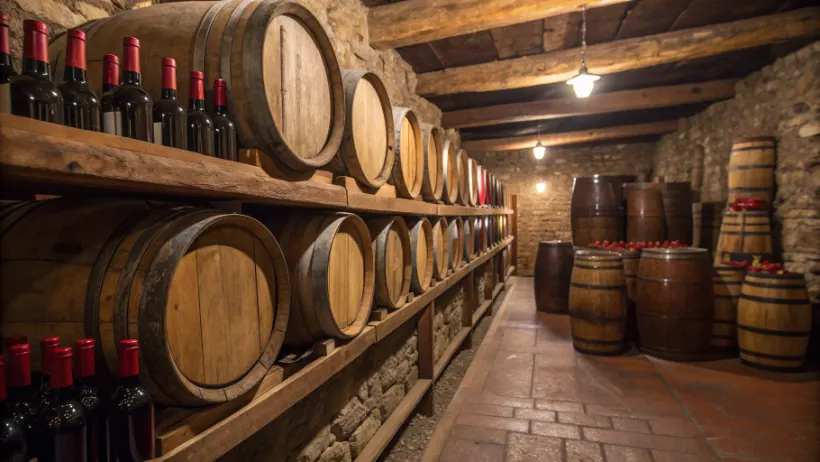
Wine appreciation extends beyond drinking. Storage conditions, serving temperature, glassware, and food pairings all influence perception. Cicada wine can be enjoyed immediately or cellared long-term, depending on the specific bottling. Understanding these elements maximizes your investment in quality wine.
Optimal Storage and Serving Conditions
- Store bottles horizontally in a cool, dark environment maintaining 55°F to 65°F to prevent premature aging.
- Allow red wines to breathe before serving. Young, tannic wines benefit from thirty to sixty minutes of air exposure.
- Serve lighter reds slightly chilled at 55–60°F; fuller-bodied wines at 60–65°F.
- Use appropriate glassware with bowl shapes that concentrate aromas toward the nose.
- Decant older wines carefully to separate naturally occurring sediment from aging.
- After opening, recork bottles and refrigerate to slow oxidation, consuming within 3–5 days for optimal quality.
Red Wine Food Pairing Principles
Selecting the best red wine for a dish depends on the preparation's weight, cooking method, and accompanying sauces. Light-bodied red wines complement salmon, roasted chicken, or mushroom risotto. Medium-bodied wines pair well with pasta in tomato sauce, grilled pork chops, or aged cheeses. Full-bodied red wines can handle ribeye steaks, braised short ribs, or hearty lamb dishes. The traditional adage "red wine with meat" oversimplifies; consider the complete flavor profile, not just the protein.
"Wine pairing isn't about rigid rules; it's about understanding balance. Match intensity levels, consider preparation methods, and remember that personal preference always matters more than conventional wisdom. The right wine is the one you enjoy most."
— Culinary Institute Sommelier Program
Regional wines and local cuisines often developed together for good reasons. Italian Chianti pairs naturally with tomato-based dishes due to shared acidity. French Bordeaux complements lamb because wineries and chefs have refined these combinations over generations. Exploring these classic pairings provides foundations for experimenting with wines from other regions, such as Californian wines that may share stylistic connections with European counterparts.
Conclusion
Understanding red wine types, production methods, and proper enjoyment transforms casual consumption into an educational experience. Whether exploring sweet variations, monitoring caloric intake, or discovering ideal food pairings, informed consumers derive greater satisfaction from every bottle. Quality producers like Cicada Cellars focus on expressing distinctive terroir while honoring traditional winemaking techniques, resulting in wines that are both pleasurable to drink and intellectually engaging to contemplate.
Frequently Asked Questions
What makes Cicada Cellars red wine unique?
Cicada Cellars specializes in small-batch production that allows meticulous attention to every stage of winemaking. This approach creates wines expressing unique varietal characteristics and terroir from California's Central Coast, rather than pursuing uniformity across vintages. Each bottle reflects the specific growing season, weather patterns, and careful decisions made during harvest and aging.
How many calories are in a glass of red wine?
A standard 5-ounce serving of dry red wine typically contains 115-140 calories, depending on alcohol content. Light-bodied reds like Pinot Noir (12-13% alcohol) contain approximately 115-120 calories, while full-bodied wines like Cabernet Sauvignon (13.5-15% alcohol) contain 125-140 calories. Sweet or dessert red wines contain more calories (140-175) due to higher residual sugar content.
What are the main types of red wine?
The main red wine types include Pinot Noir (light-bodied with cherry and earth notes), Merlot (medium-bodied with plum and chocolate flavors), Cabernet Sauvignon (full-bodied with blackcurrant and cedar), Syrah (full-bodied with blackberry and pepper), and Zinfandel (full-bodied with jammy fruit and spice). Each varietal offers distinct characteristics influenced by climate, soil, and winemaking techniques.
What is the difference between sweet red wine and sparkling red wine?
Sweet red wine contains residual sugar achieved through methods like halting fermentation early, using late-harvested grapes, or fortification. These wines are typically still (non-carbonated) and served as dessert wines. Sparkling red wine contains bubbles created through secondary fermentation using either the Charmat method or traditional méthode champenoise. Examples include Italian Lambrusco and Australian Sparkling Shiraz, which can range from dry to sweet.
How should I store and serve red wine?
Store red wine bottles horizontally in a cool, dark environment maintaining 55-65°F to prevent premature aging. Before serving, allow young, tannic wines to breathe for 30-60 minutes. Serve lighter reds slightly chilled at 55-60°F and fuller-bodied wines at 60-65°F. Use appropriate glassware with bowl shapes that concentrate aromas. After opening, recork and refrigerate, consuming within 3-5 days for optimal quality.